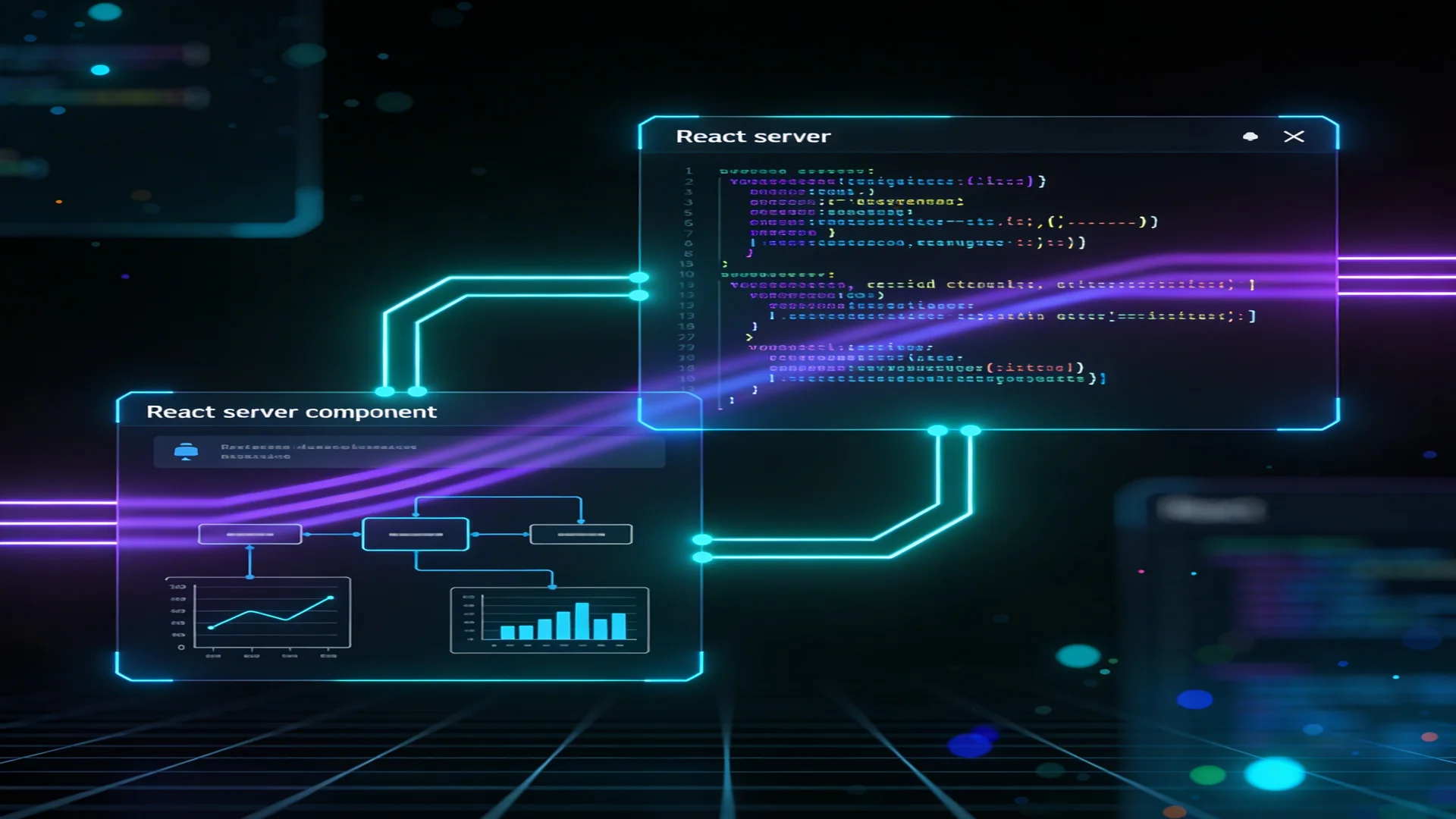
Next.js 16's async server components and streaming architecture map cleanly to agent application requirements. A practitioner's guide to the data fetching patterns that work for agent-powered applications with Drizzle ORM and Supabase.
China's national cybersecurity agency issued formal warnings about OpenClaw vulnerabilities — prompt injection, data exfiltration via link previews, and malicious ClawHub skills. The security implications extend far beyond one project to the entire local-first AI agent paradigm.

After analyzing the architectures of OpenClaw, Manus, Claude Code, Claude Cowork, PicoClaw, and ZeroClaw, seven design patterns emerge that consistently distinguish agents that work in production from those that fail. A technical synthesis.

Nearly 1,000 people lined up at Tencent HQ to get OpenClaw installed. Engineers charged $72 for house calls. MiniMax stock rose 600% from IPO. Local governments offered cash rewards. A forensic analysis of the fastest grassroots AI adoption event in history.
Claude Code now authors approximately 4% of all public GitHub commits. A deep technical examination of its master agent loop, context compaction, agentic search, and the architectural simplicity that makes it work at scale.
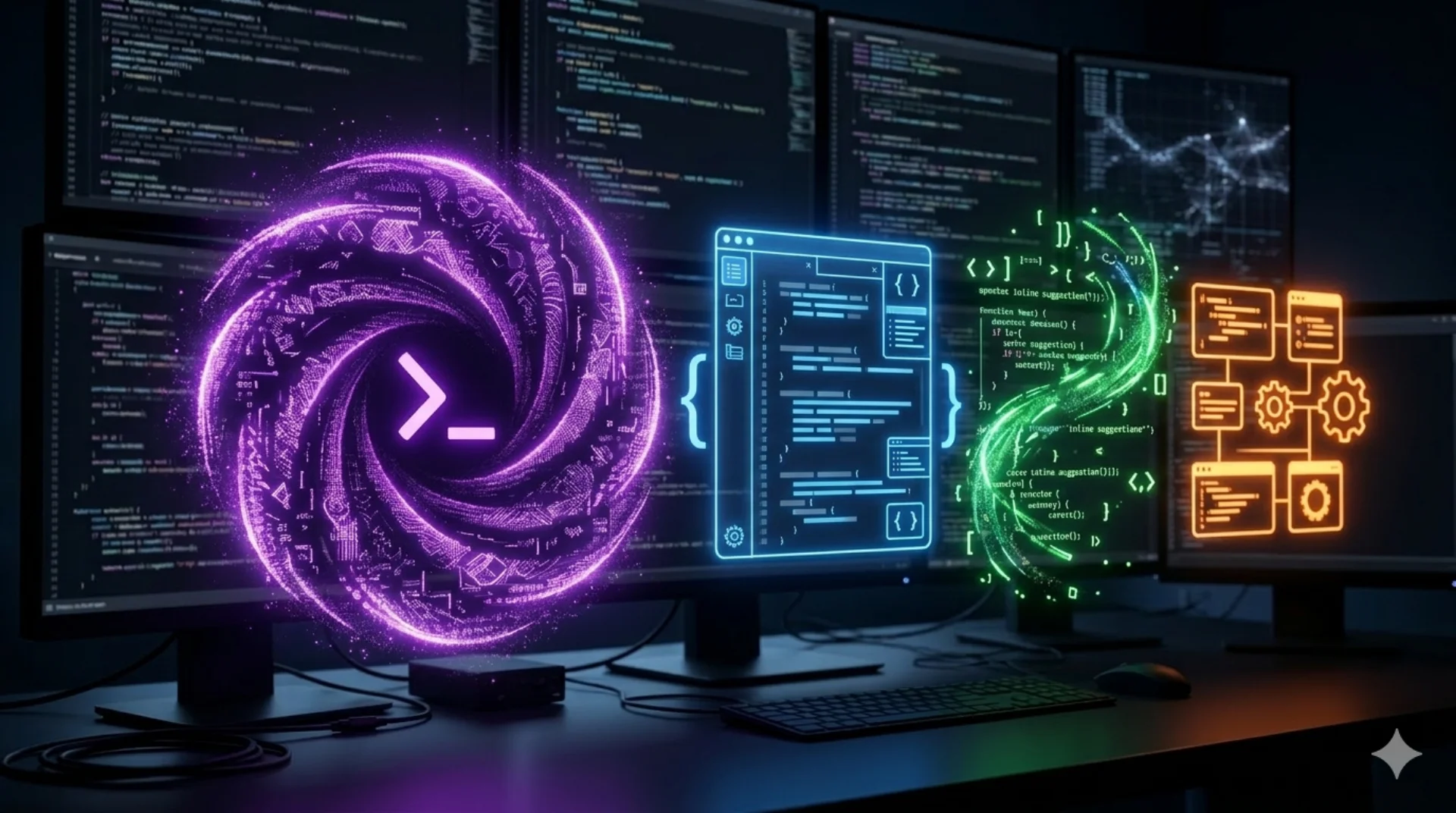
The AI coding tool market split into four distinct categories in 2026. We analyze adoption data, benchmark results, developer sentiment, and real-world usage patterns to understand which tool fits which workflow — and why most developers now use more than one.
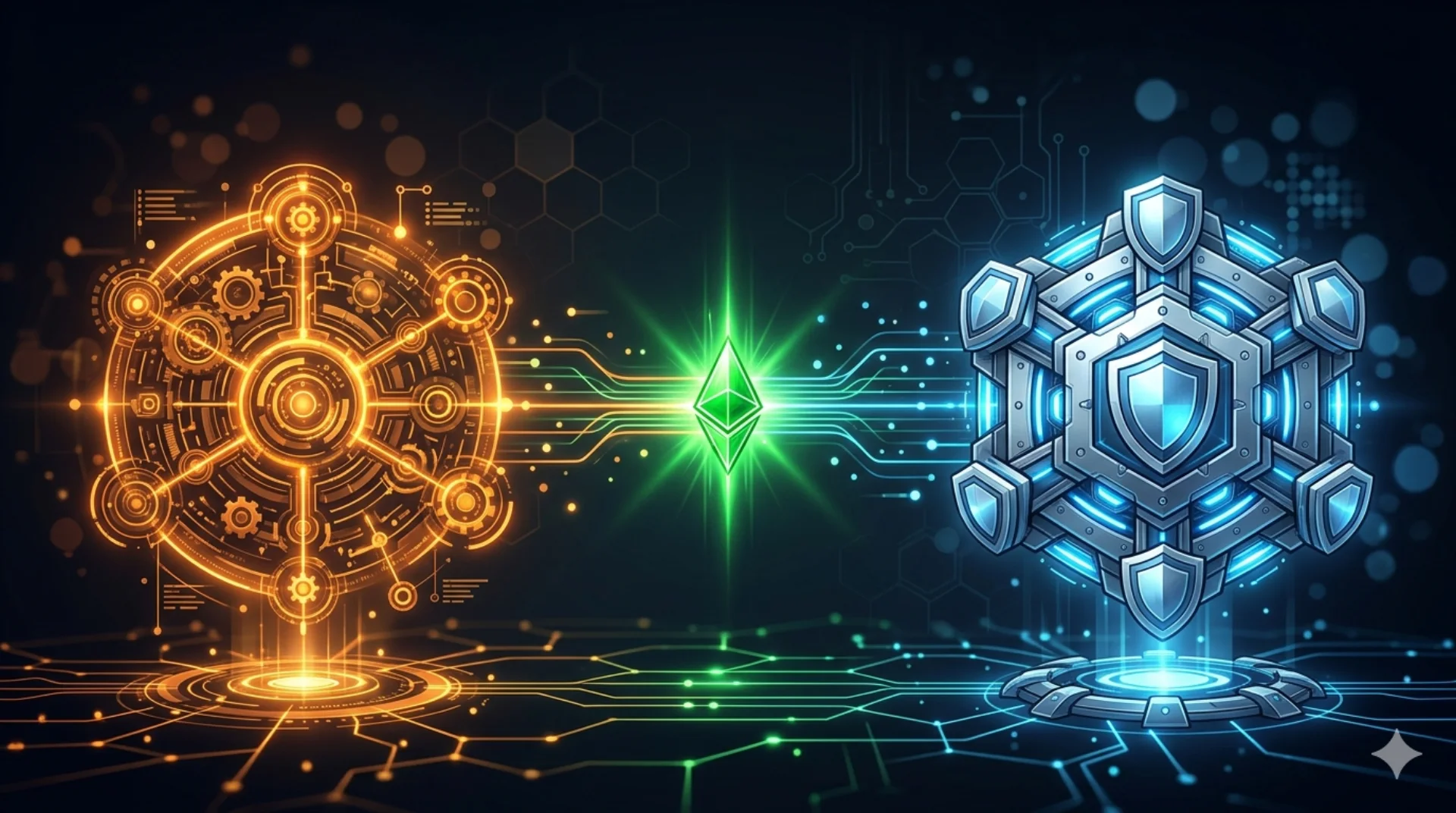
Three open-source AI agent frameworks, one ecosystem. A comprehensive technical comparison of OpenClaw (full-featured), PicoClaw (edge-optimized), and ZeroClaw (security-first) covering architecture, resource usage, security models, and which framework fits which deployment scenario.

ZeroClaw delivers a full AI agent in a 3.4 MB binary with sub-5 MB RAM usage and sub-10 ms cold start. Built entirely in Rust with deny-by-default security, it represents a fundamentally different approach to the agent runtime problem.

OpenClaw grew from a Telegram bot to a 247K-star open-source phenomenon in three months. A technical deep dive into its gateway daemon, agent runtime, MCP integration, and the architectural decisions that made it the fastest-growing AI agent framework in history.
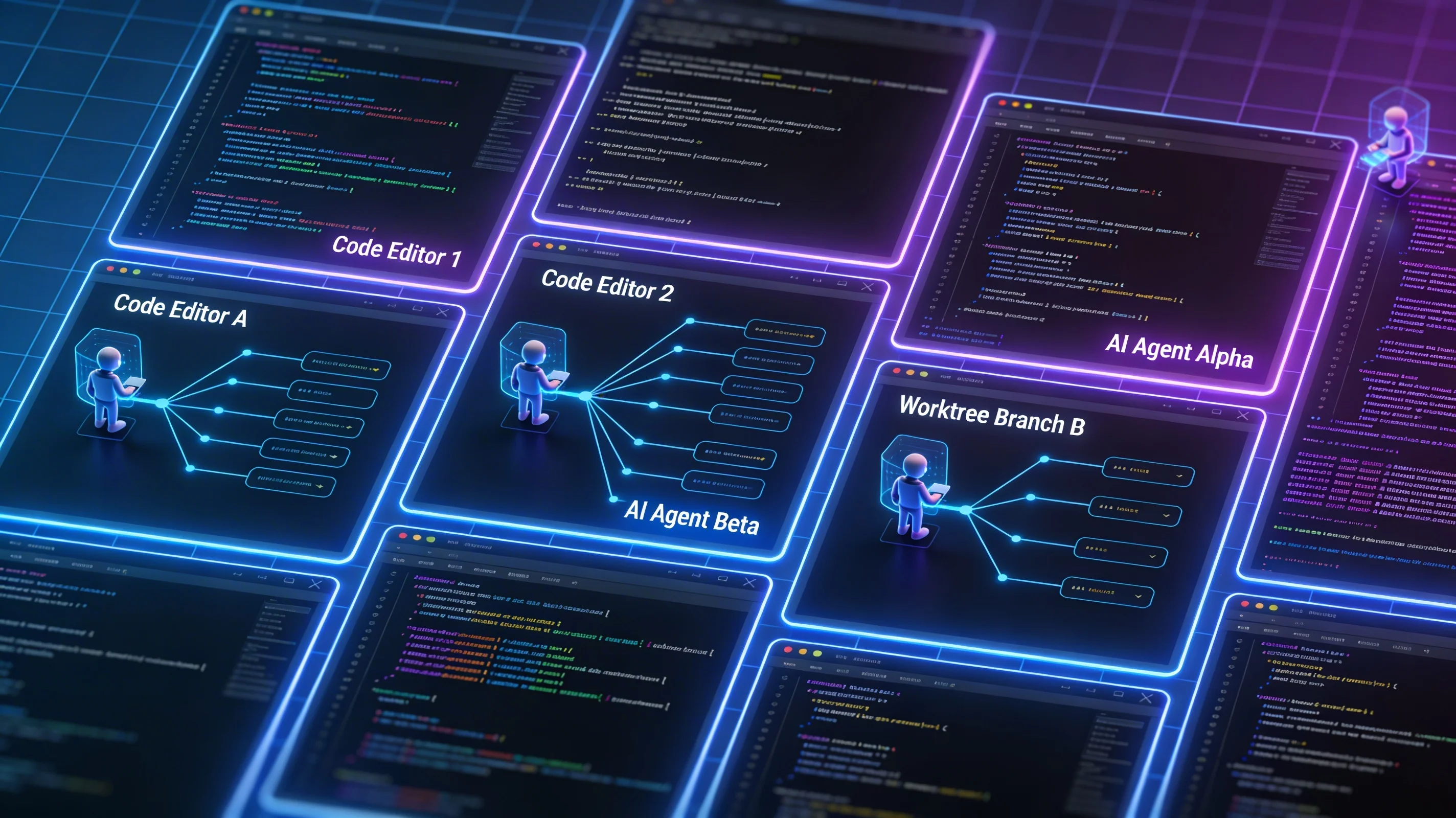
The most interesting AI IDE capabilities in 2026 go far beyond code completion. Arena mode, parallel worktrees, and multi-agent orchestration change how development teams operate. Here is what these features actually do.
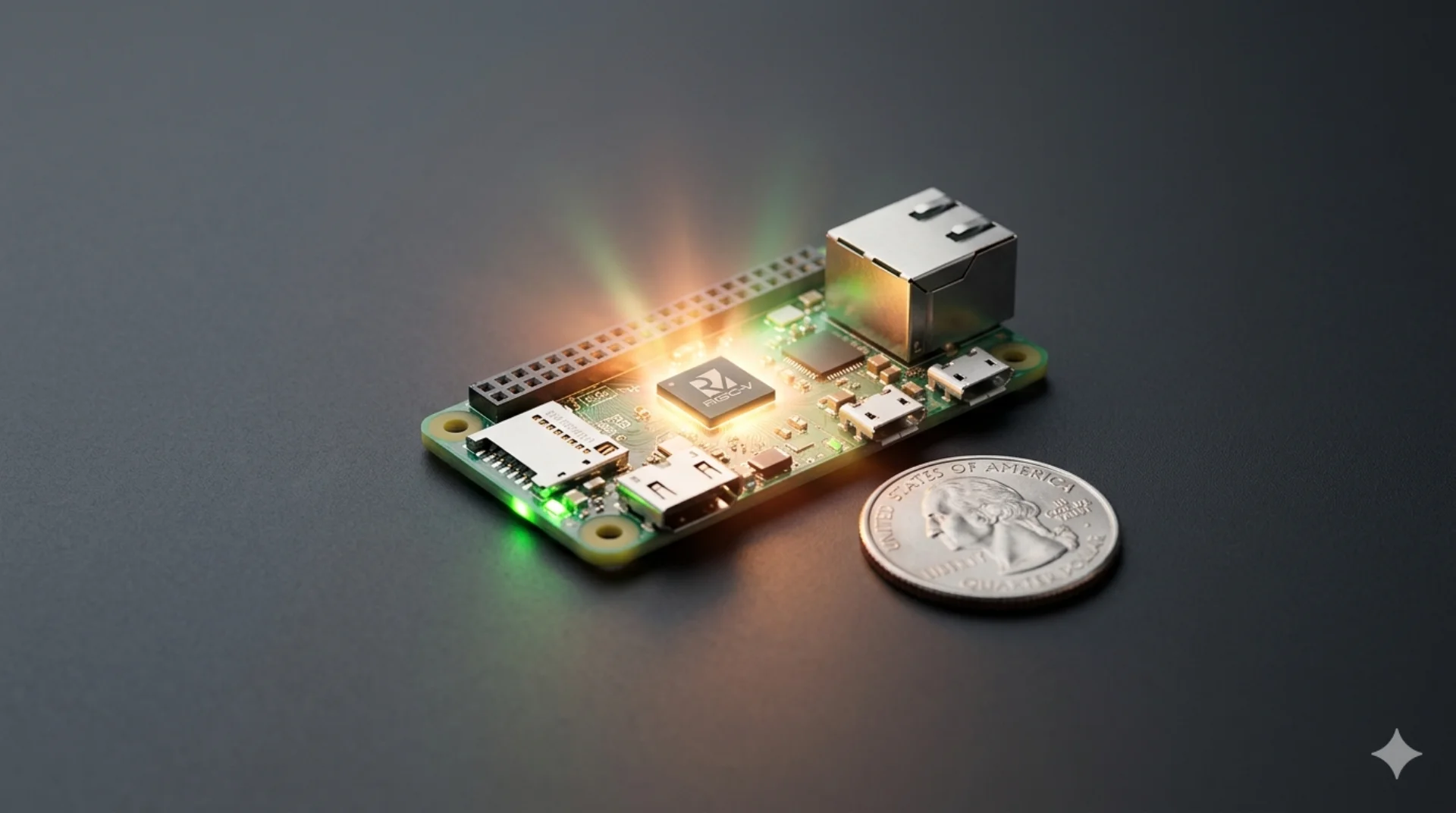
Sipeed's PicoClaw framework runs a full AI agent on 10MB of RAM with a sub-second boot time. Its built-in PicoLM inference engine executes TinyLlama 1.1B locally on RISC-V boards. A technical analysis of what ultra-lightweight AI agents enable at the edge.
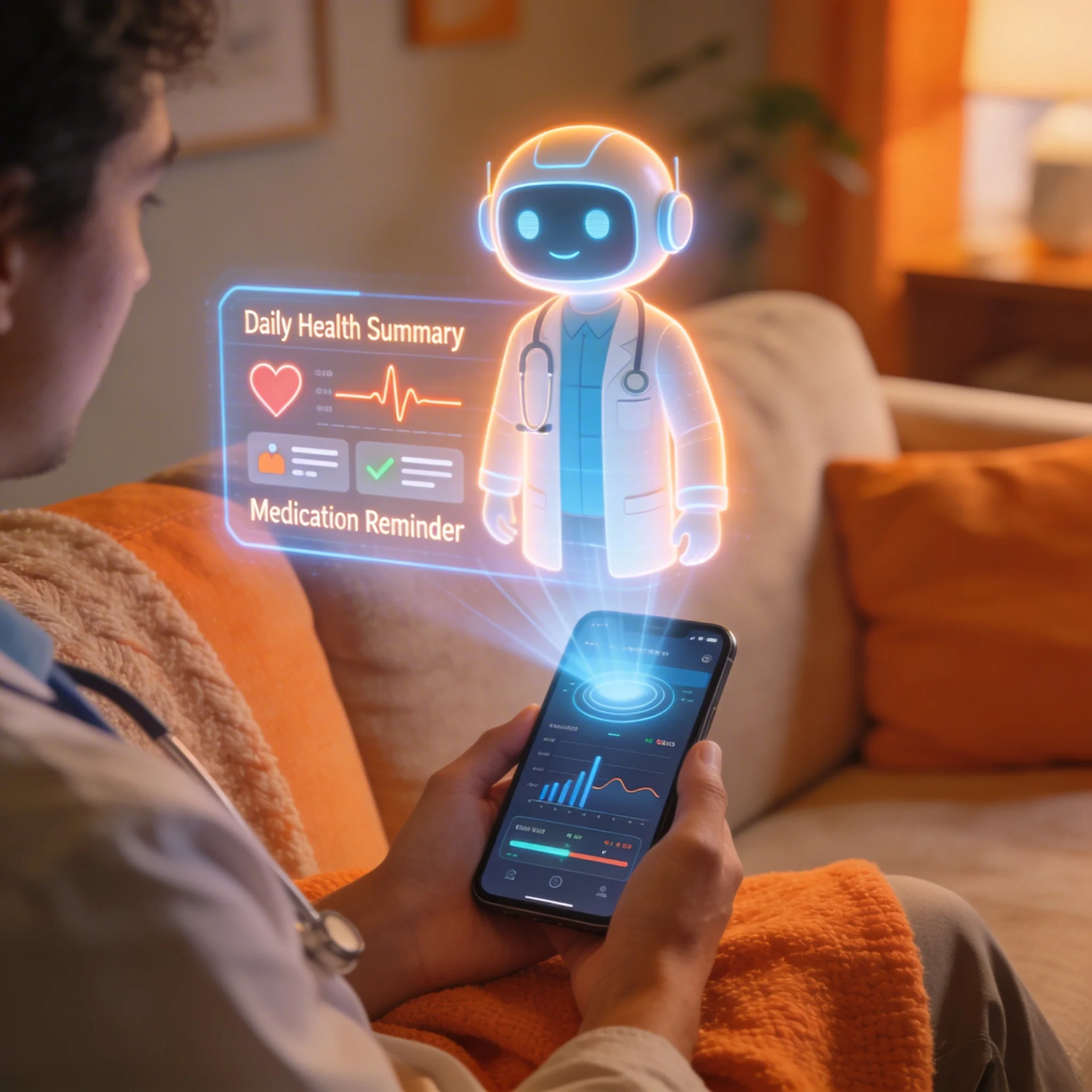
Studies show 80% of patients using AI health companions report improved health outcomes and adherence. A look at the evidence, the mechanisms, and the important caveats behind these figures.