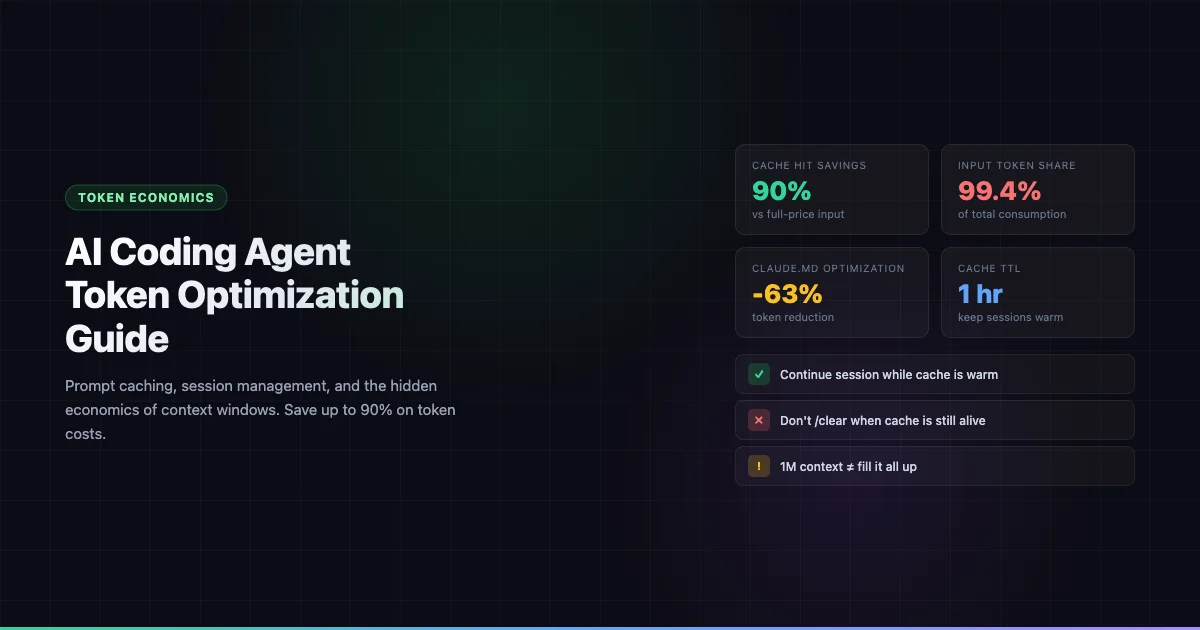
A deep dive into how AI coding agents like Claude Code, Cursor, and Codex consume tokens — covering prompt caching mechanics, the continue-vs-new-session decision framework, the hidden cost of 1M context windows, and six proven rules for reducing token spend.
Microsoft releases a seven-package open-source toolkit addressing all 10 OWASP agentic AI risks — from sub-millisecond policy enforcement to cryptographic agent identity. What it means for teams building production agent systems.
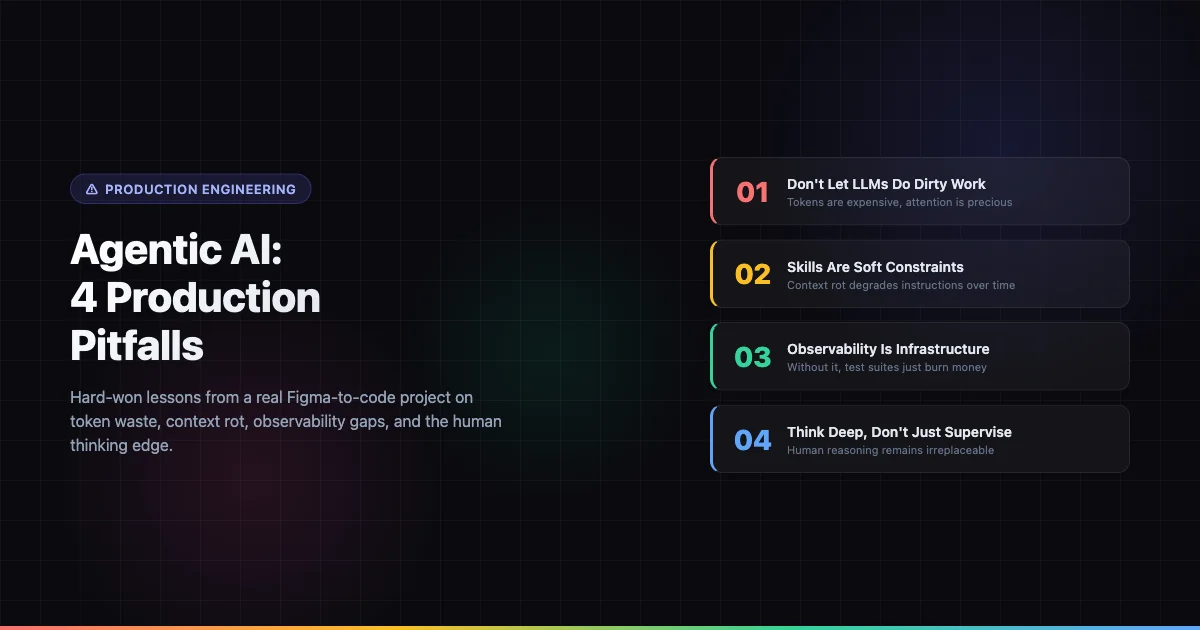
Drawing from a real-world Figma design-to-code project, we explore four common pitfalls in production AI agent engineering: token waste, skill constraint decay, missing observability, and the irreplaceable role of human deep thinking.
Google's open-source Gemini CLI has become the fastest-growing terminal AI agent with 100K+ stars, MCP support, 1M token context, and a free tier that undercuts every competitor. An analysis of what makes it significant.
The Model Context Protocol has reached 97 million monthly SDK downloads and 10,000+ servers — but context bloat, authentication friction, and security gaps are causing some teams to walk away. An honest assessment of where MCP stands in April 2026.
A grounded comparison of the four dominant AI coding agents in April 2026 — covering architecture, benchmarks, context windows, pricing, and which tool fits which workflow. No hype, just engineering trade-offs.

Microsoft ships the production-ready 1.0 release of its unified Agent Framework — merging AutoGen's multi-agent orchestration with Semantic Kernel's enterprise SDK. What the consolidation means for teams building AI agent systems.
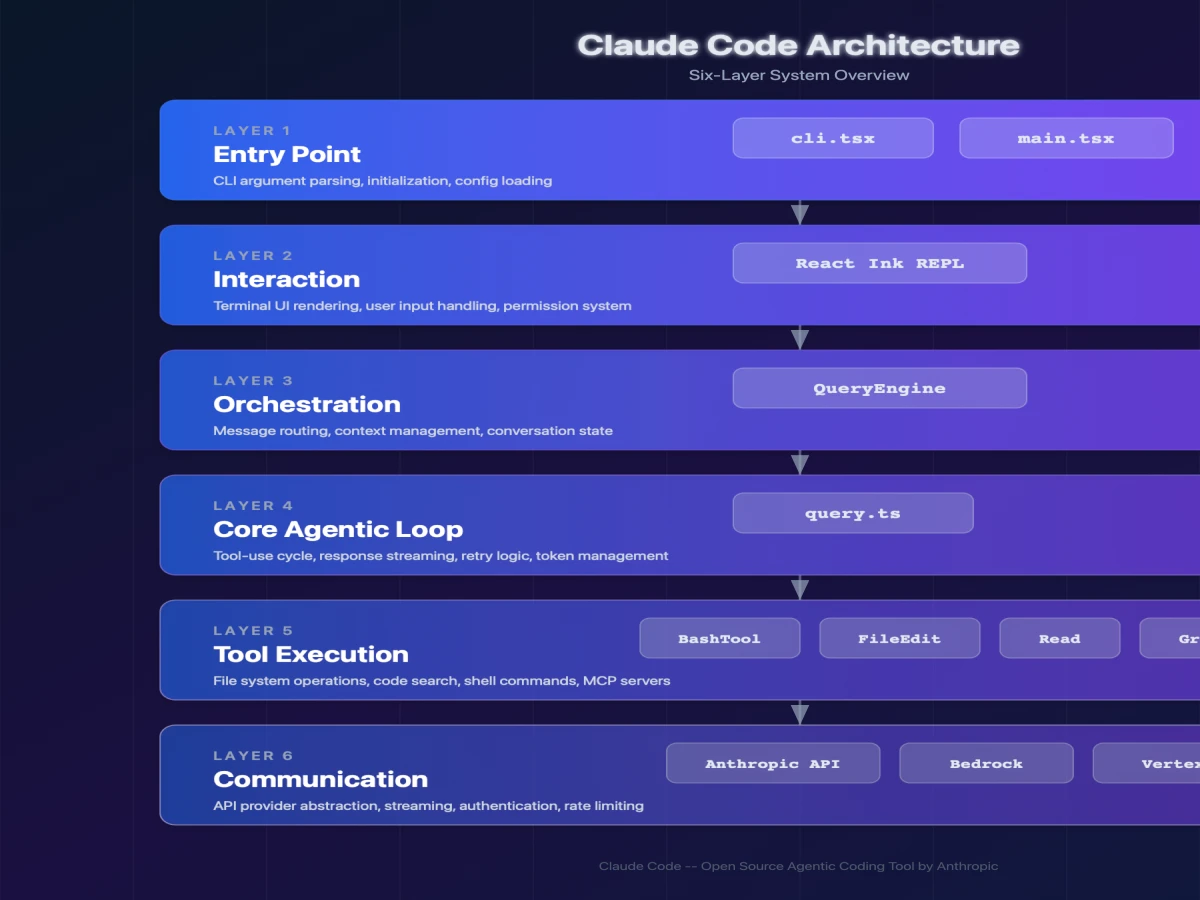
A comprehensive analysis of Claude Code's internal architecture — from the 6-layer system design and 46K-line QueryEngine to the agentic loop, permission pipeline, and three-layer context compression. Based on the March 2026 source leak and official documentation.

Anthropic's new auto mode for Claude Code uses a two-layer classifier system to automate 93% of permission decisions that developers were already approving. A deep look at the architecture, real-world tradeoffs, and what early adopters are learning.
A grounded analysis of the sandbox infrastructure powering agentic AI — from OpenClaw security incidents to NanoClaw container isolation, Cloudflare Dynamic Workers, Vercel automatic persistence in beta, and the market forces driving enterprise adoption.
OpenAI shut down Sora on March 24, 2026 — just six months after launch. A comprehensive analysis of why it failed, how the shutdown impacts creators and the AI video industry, and which alternatives now lead the market.
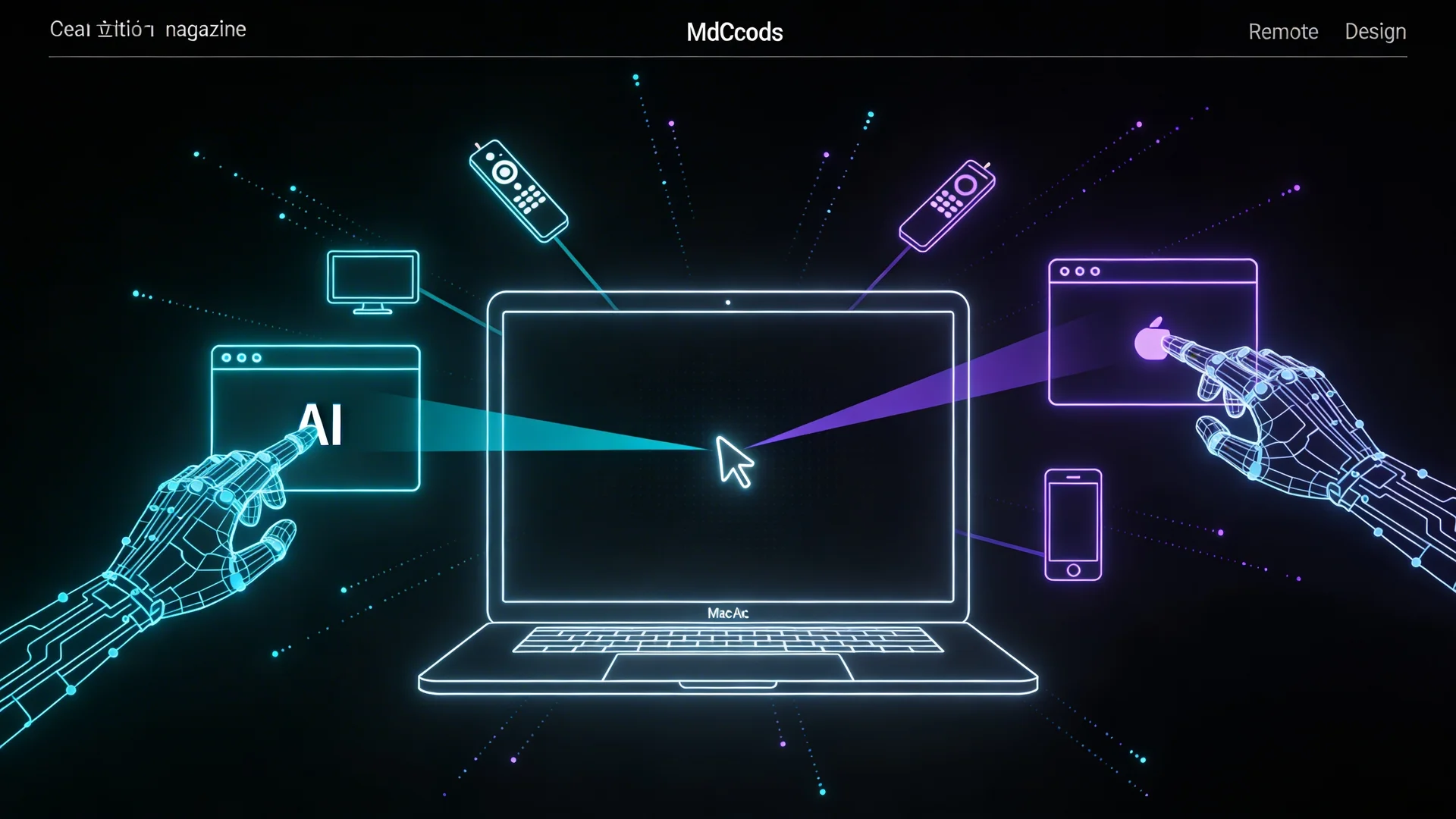
Anthropic shipped native computer use in Claude Desktop for macOS — letting users dispatch tasks from their phone and have Claude operate their machine like a human. Here is what the architecture looks like, why it matters, and what it means for desktop agent development.