
Anthropic launched Claude Cowork as 'Claude Code for the rest of your work' — a desktop AI agent that reads, writes, and organizes files autonomously. Built on the same agent loop as Claude Code with a VM-based sandbox, it reached Microsoft 365 integration within two months.
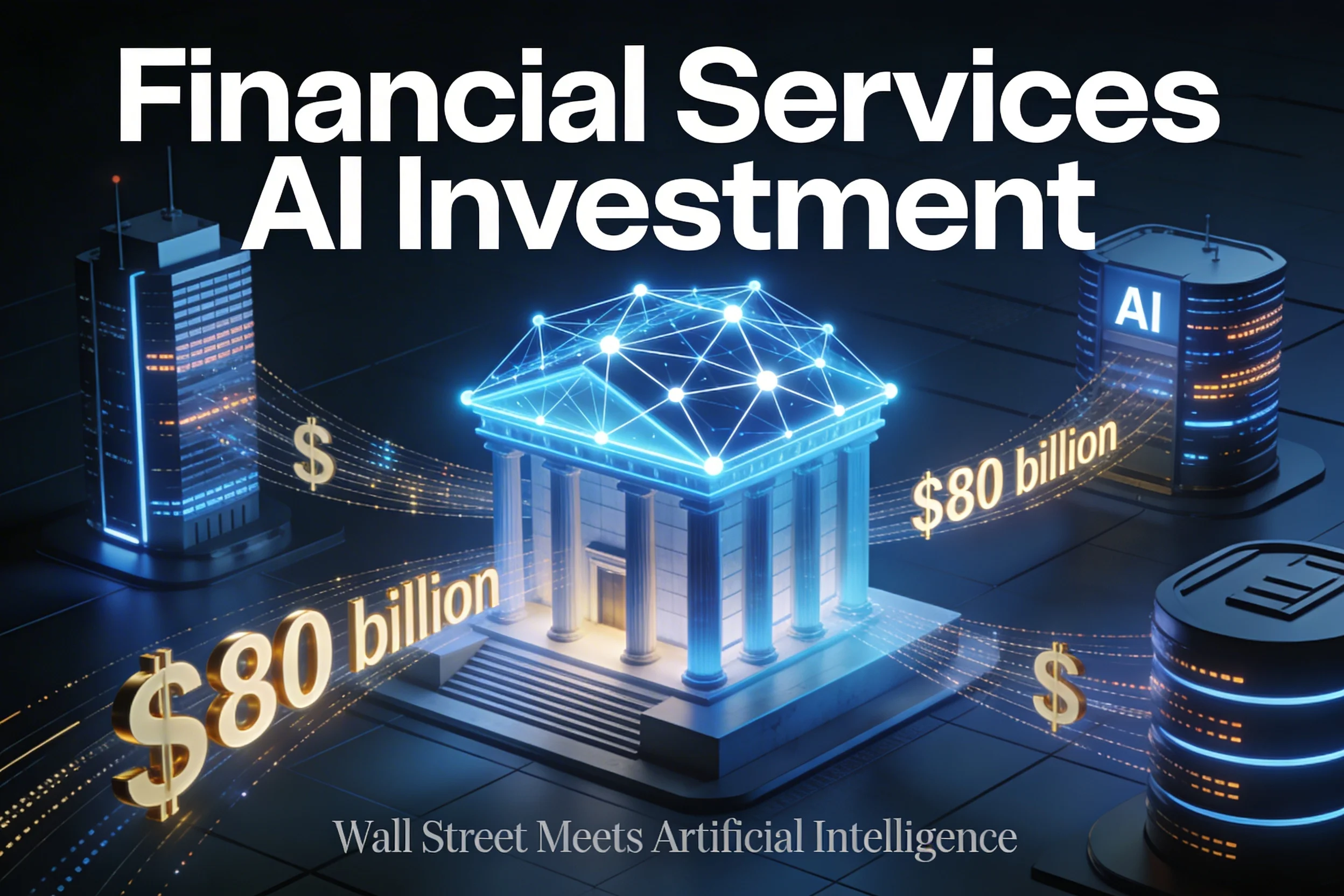
Financial services firms will collectively spend over $80 billion on AI in 2025. A breakdown of where that investment is flowing, what is generating returns, and what is quietly stalling.
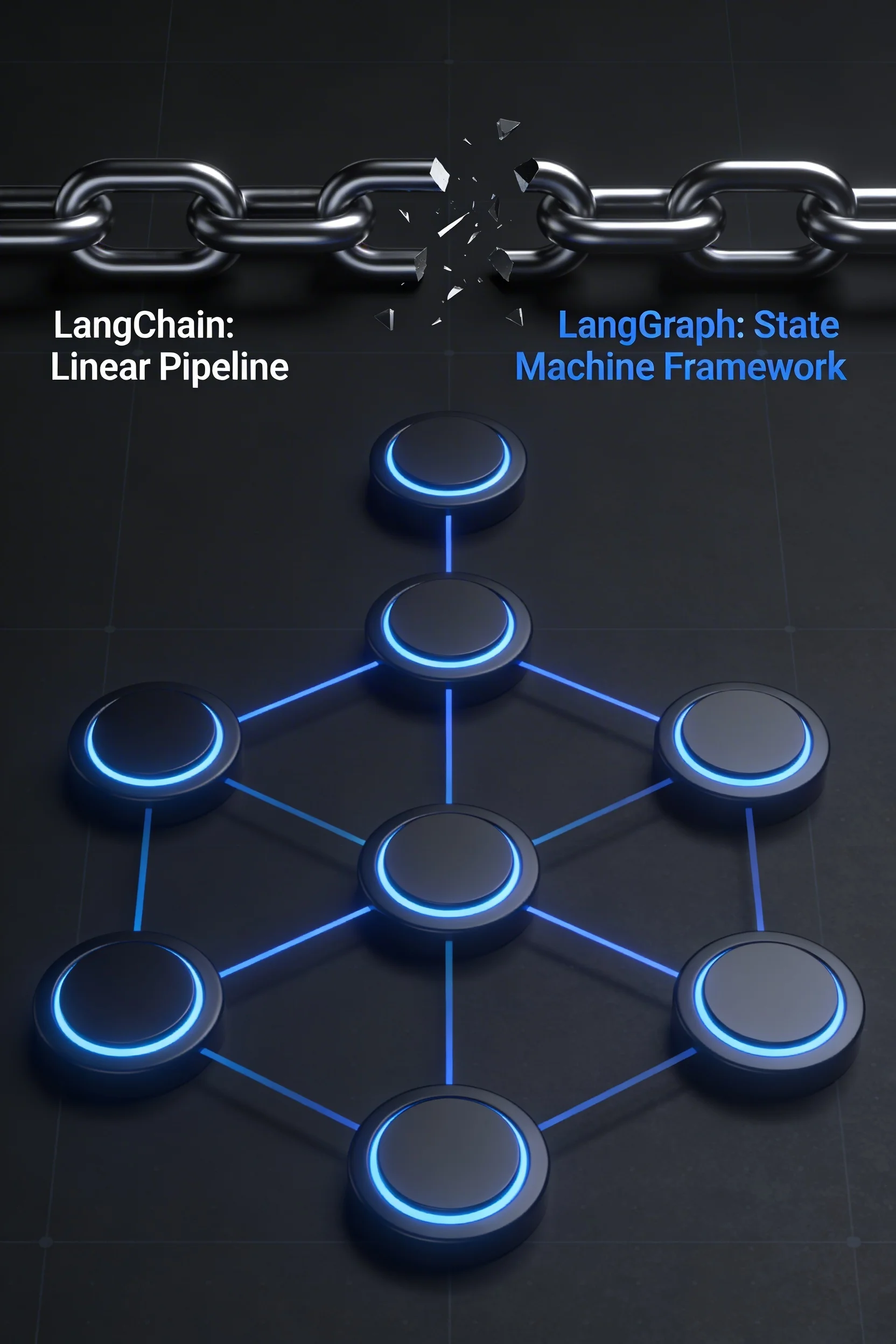
LangChain has spent the better part of a year steering developers away from its original abstractions and toward LangGraph. Understanding why reveals important truths about what makes agent orchestration actually work in production.
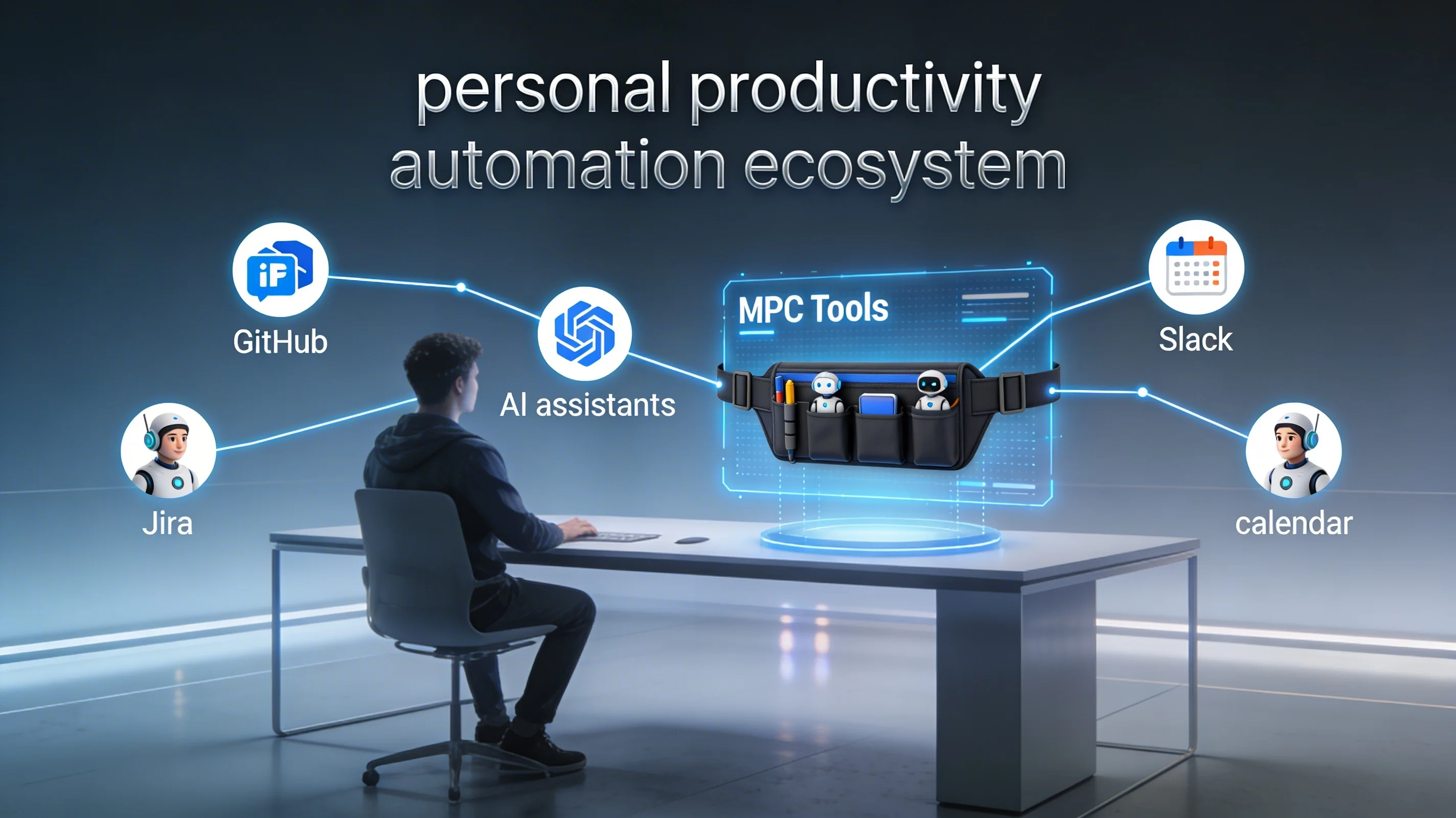
The most productive developers in 2026 have built personal agent stacks that handle the work between writing code—research, documentation, ticket management, PR review, communication. Here is how to build yours.
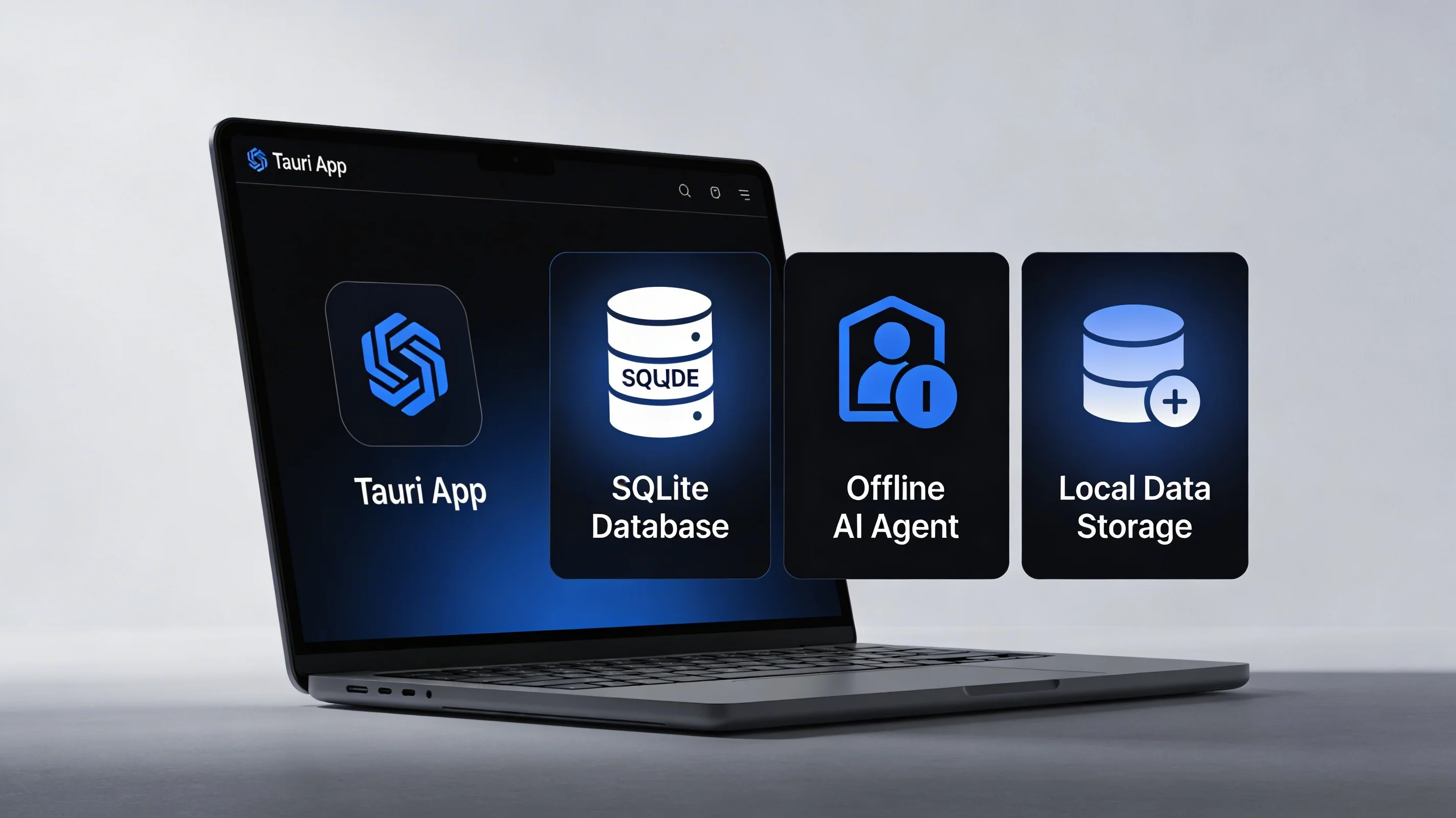
Local-first AI applications using Tauri, SQLite, and local LLMs represent a meaningful architectural shift from cloud-dependent AI services. This is what the architecture looks like, why it matters, and how Neumar implements it.

Meta's acquisition of Manus — a Chinese AI agent startup relocated to Singapore — triggered export control reviews in Beijing, product integration in record time, and customer defections. A detailed analysis of the deal's structure, strategic rationale, and regulatory uncertainty.
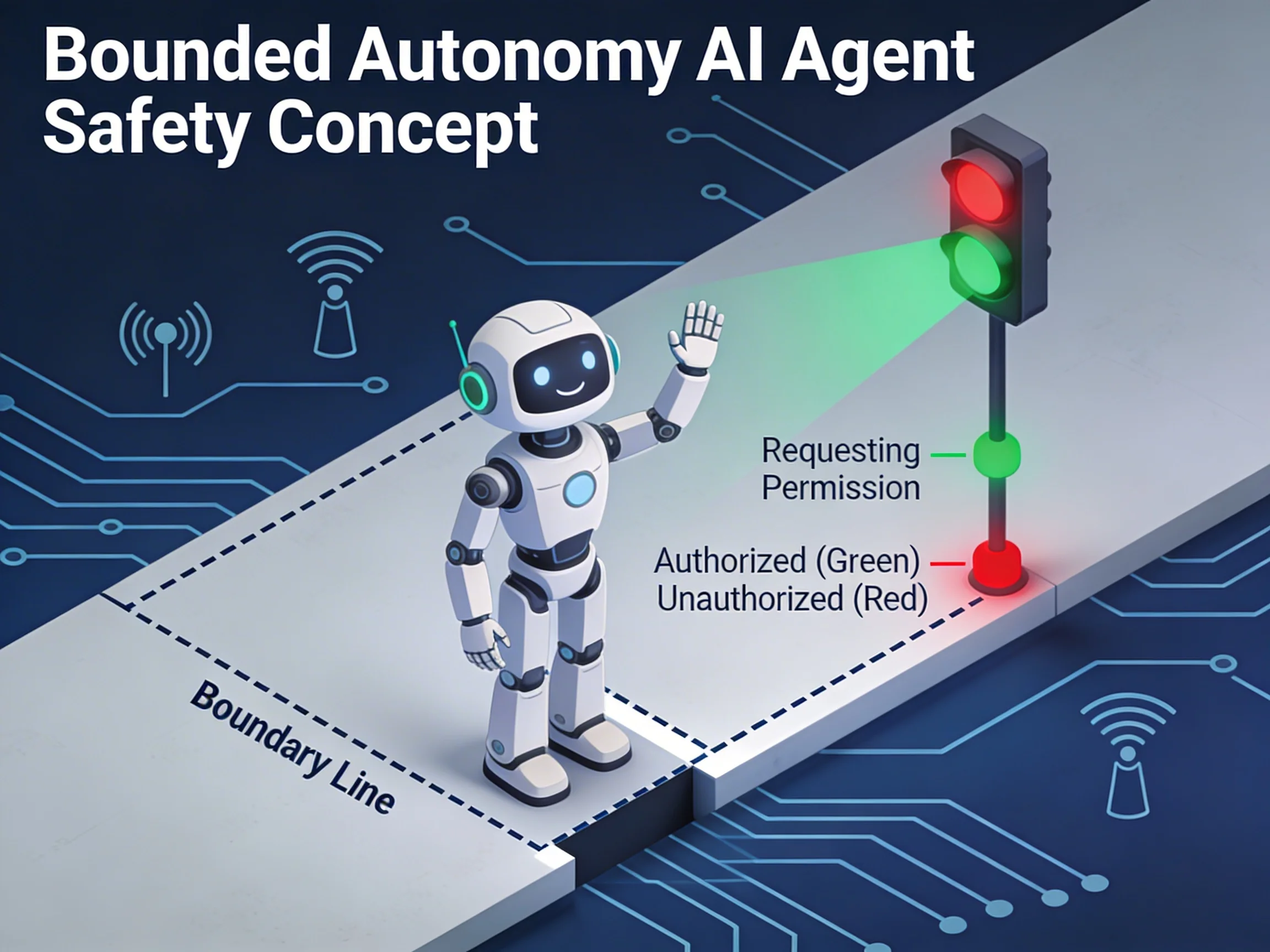
How to design agent systems with explicit operational bounds, clear escalation paths, and principled interruptibility — and why Neumar's two-phase execution architecture is a concrete implementation of bounded autonomy.
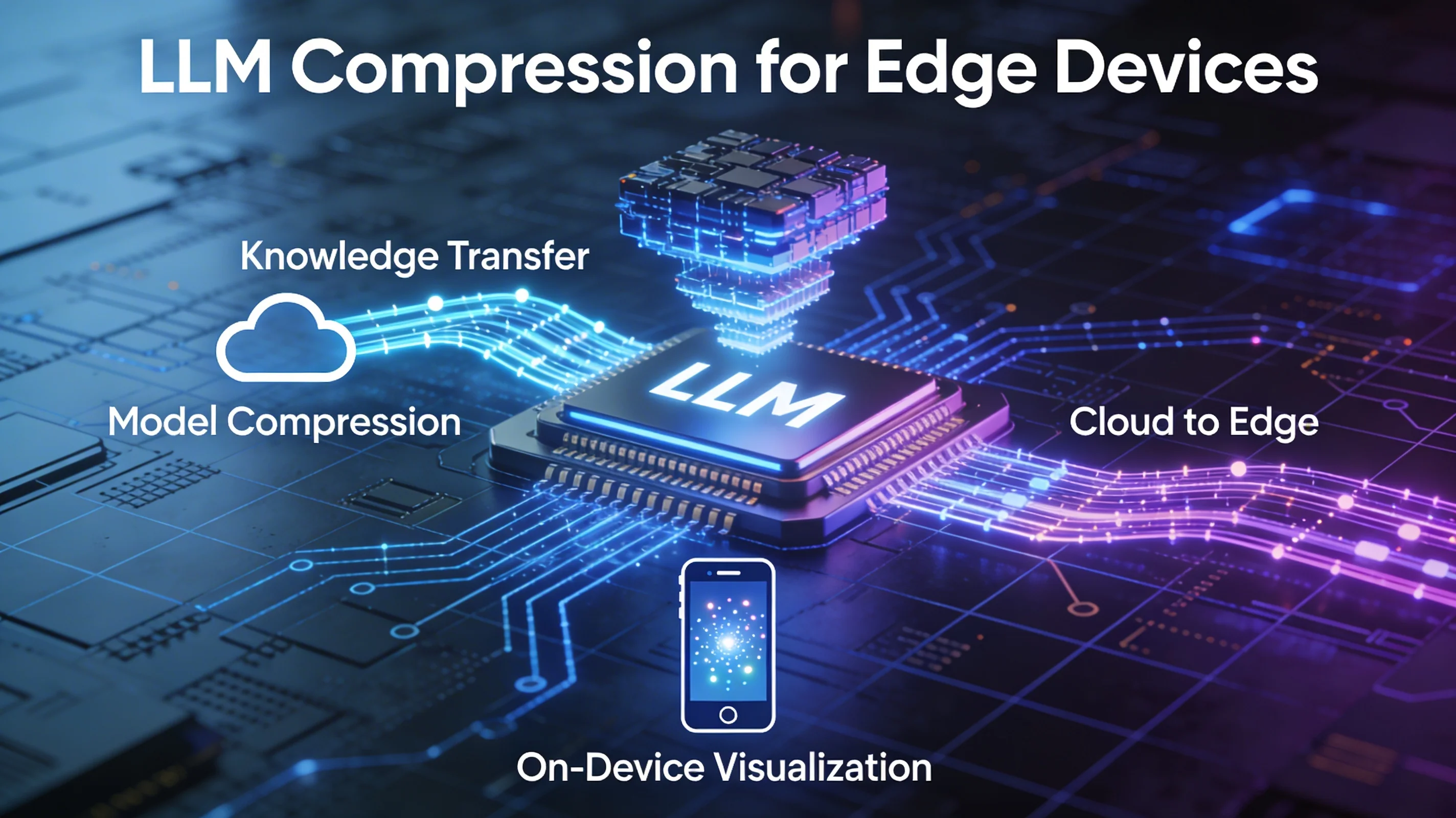
Compressing the reasoning capabilities of large frontier models into smaller, deployable architectures is one of the most active research areas in AI. Here is the state of the art and what it means for desktop-first agent applications.
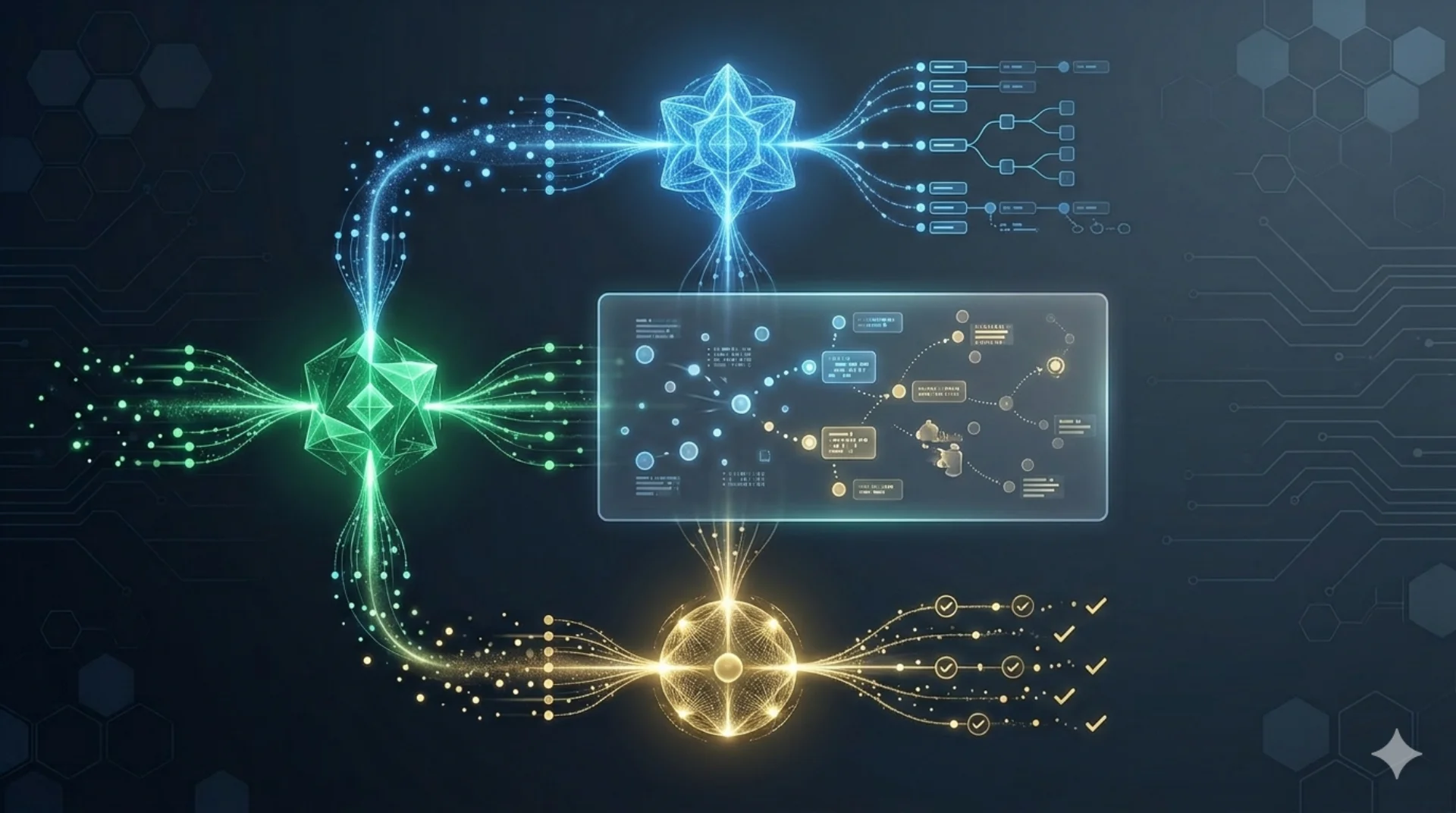
Manus went from viral launch to $100M ARR in eight months and a $2+ billion Meta acquisition. A technical analysis of its multi-agent architecture, context engineering innovations, and the design decisions that made fully autonomous task execution viable.
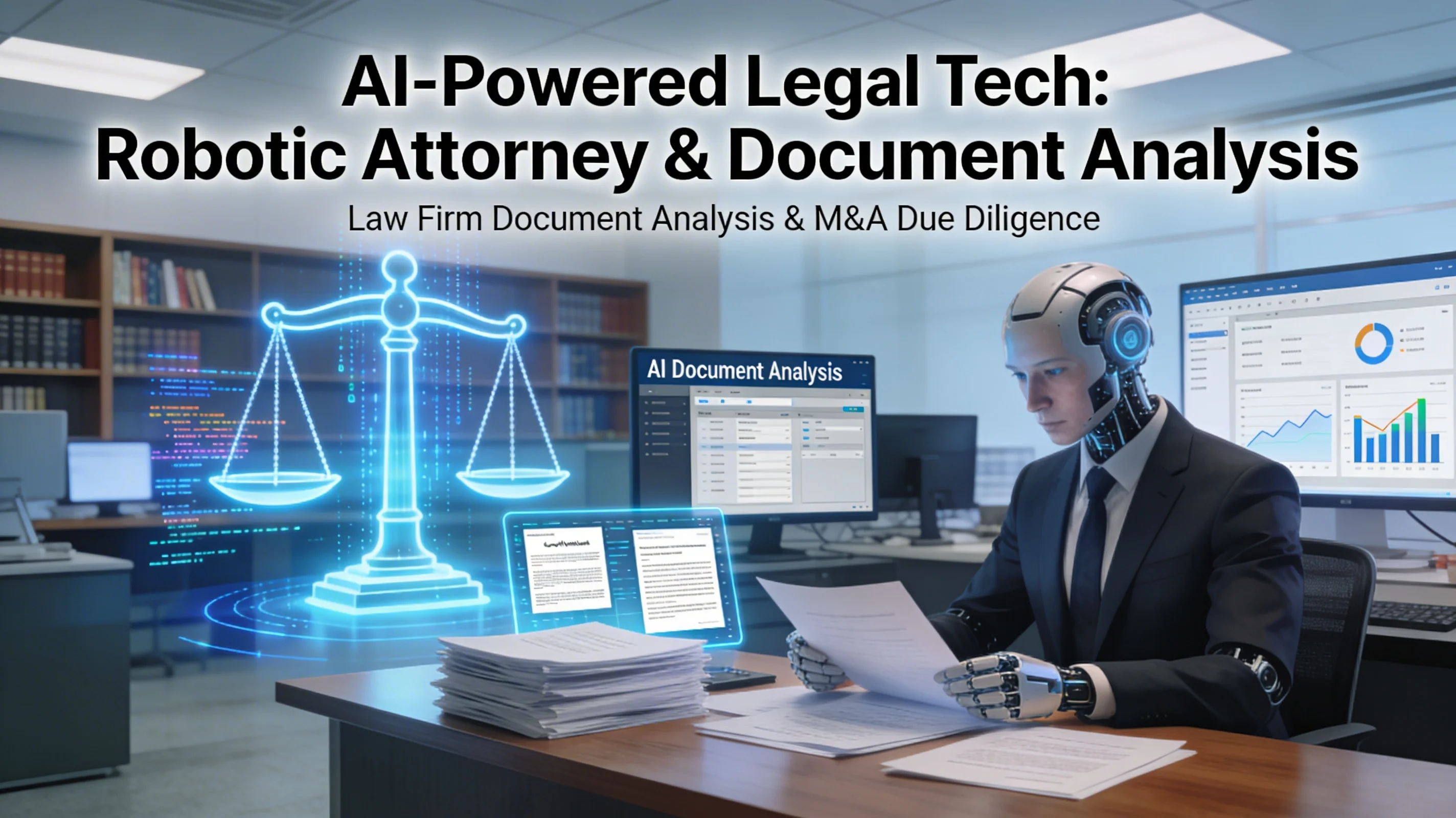
Law firms and corporate legal departments are deploying AI agents across contract review, due diligence, and legal research. A grounded look at what is working, what is not, and where the profession is headed.
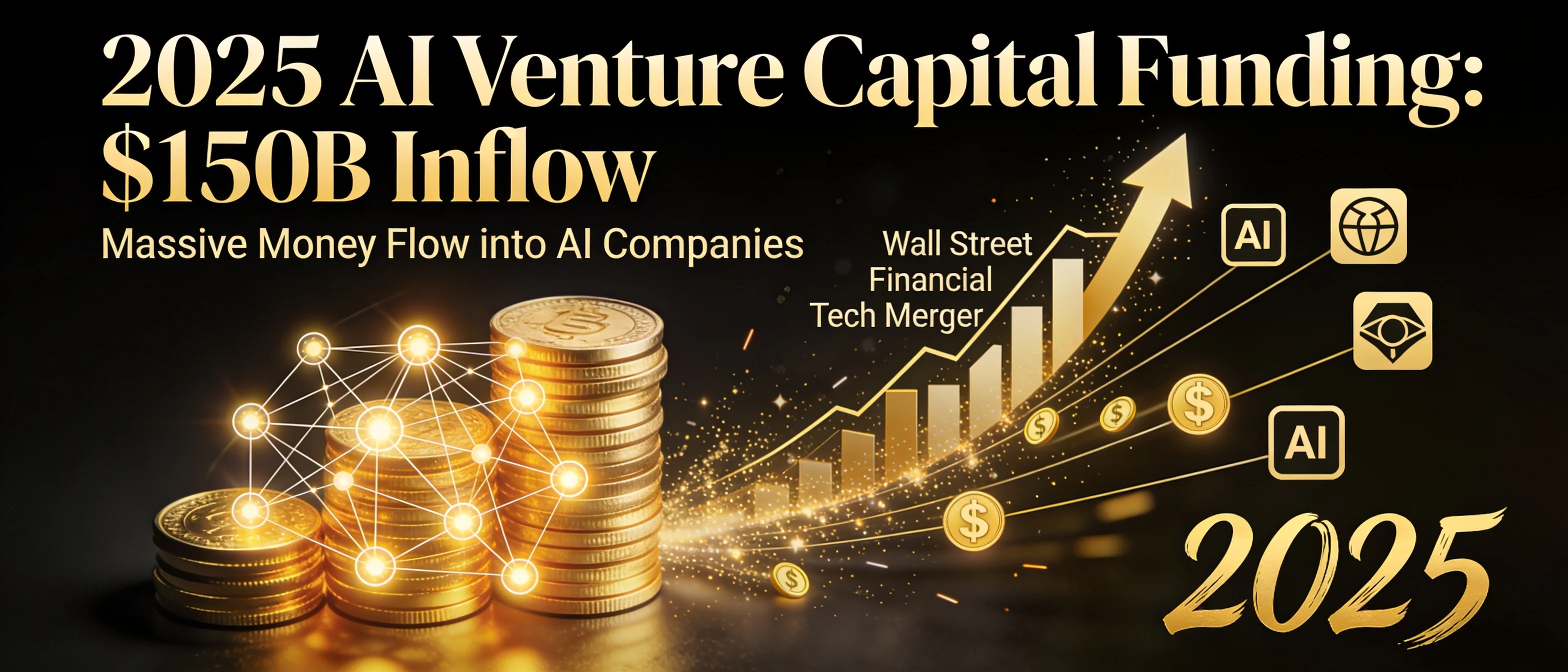
2025 was the year AI funding went from remarkable to historic. Breaking down where the capital actually went, what it is buying, and where agentic AI fits in the largest technology investment cycle of the decade.
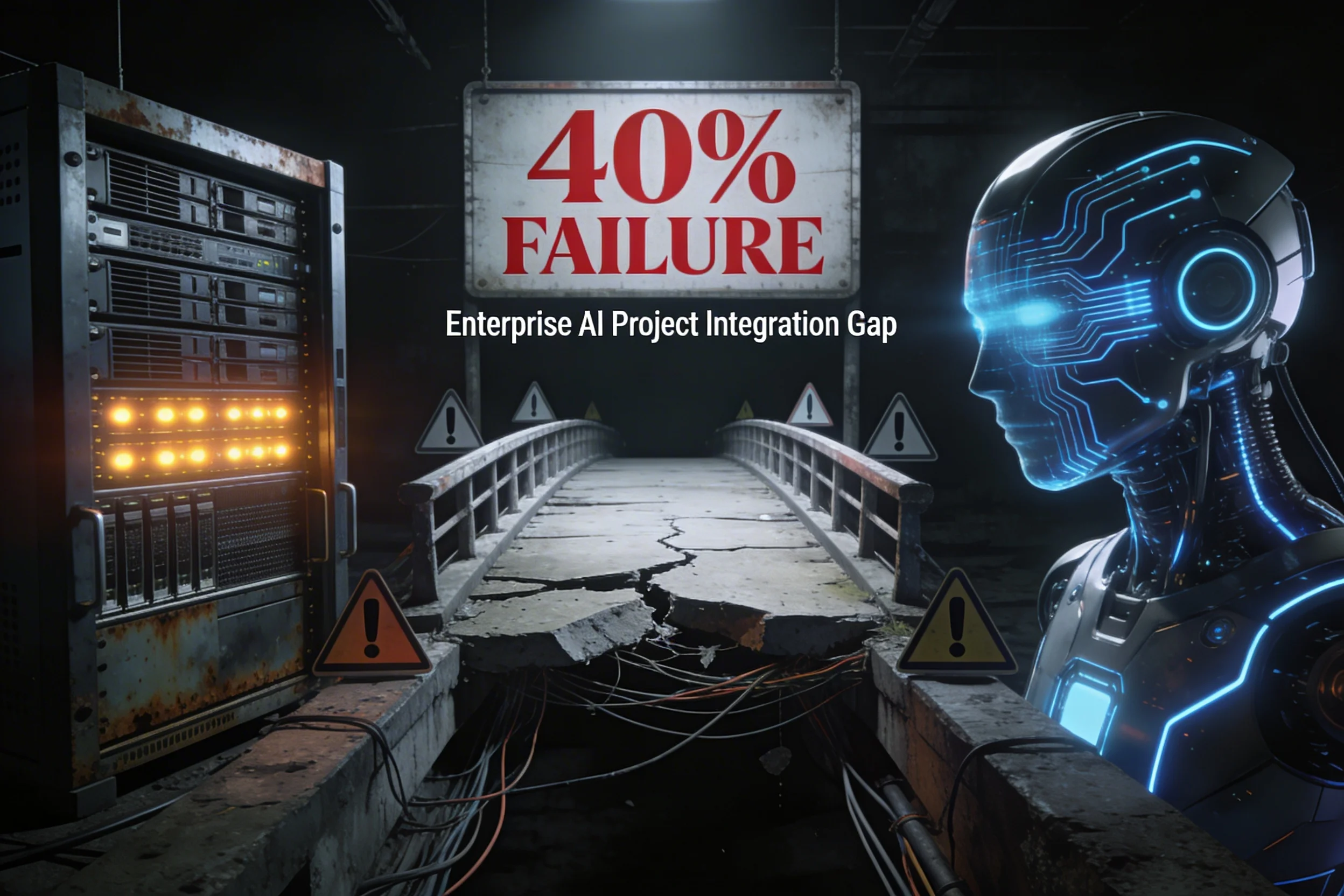
Gartner predicts that 40% of agentic AI projects will fail by 2027. The culprit is not model quality or prompt engineering—it is the legacy system integration gap that most teams underestimate.