Anthropic unveiled the Claude Partner Network backed by $100M in 2026 funding and launched the Claude Certified Architect certification. A practical analysis of what this ecosystem investment means for teams building agent applications.
Anthropic launched the Compaction API in beta — server-side context summarization that lets Claude maintain coherent conversations beyond any fixed context window limit. How it works, what it costs, and what it means for long-running agent tasks.
Anthropic launched Claude Code Channels — letting developers message Claude Code through Discord and Telegram to trigger code changes, run tasks, and manage repositories from messaging apps. What this means for agent interaction patterns.
Claude Code shipped voice mode with push-to-talk, free transcription tokens, and support for 20 languages. A practical look at what works, what does not, and how voice input changes the dynamics of agent-directed development.
The /loop command transforms Claude Code from an interactive assistant into a scheduled background worker — running PR reviews, deployment checks, and monitoring tasks on a recurring interval. Here is how it works and what it enables.
Claude Sonnet 4.6 scores within 1.2 percentage points of Opus 4.6 on SWE-bench while costing 5x less. A detailed look at what changed, where it excels, and when you should still reach for Opus.
The Model Context Protocol's 2026 roadmap focuses on four priorities — transport evolution, agent-to-agent communication, governance maturation, and enterprise readiness. What each means for teams building on MCP today.
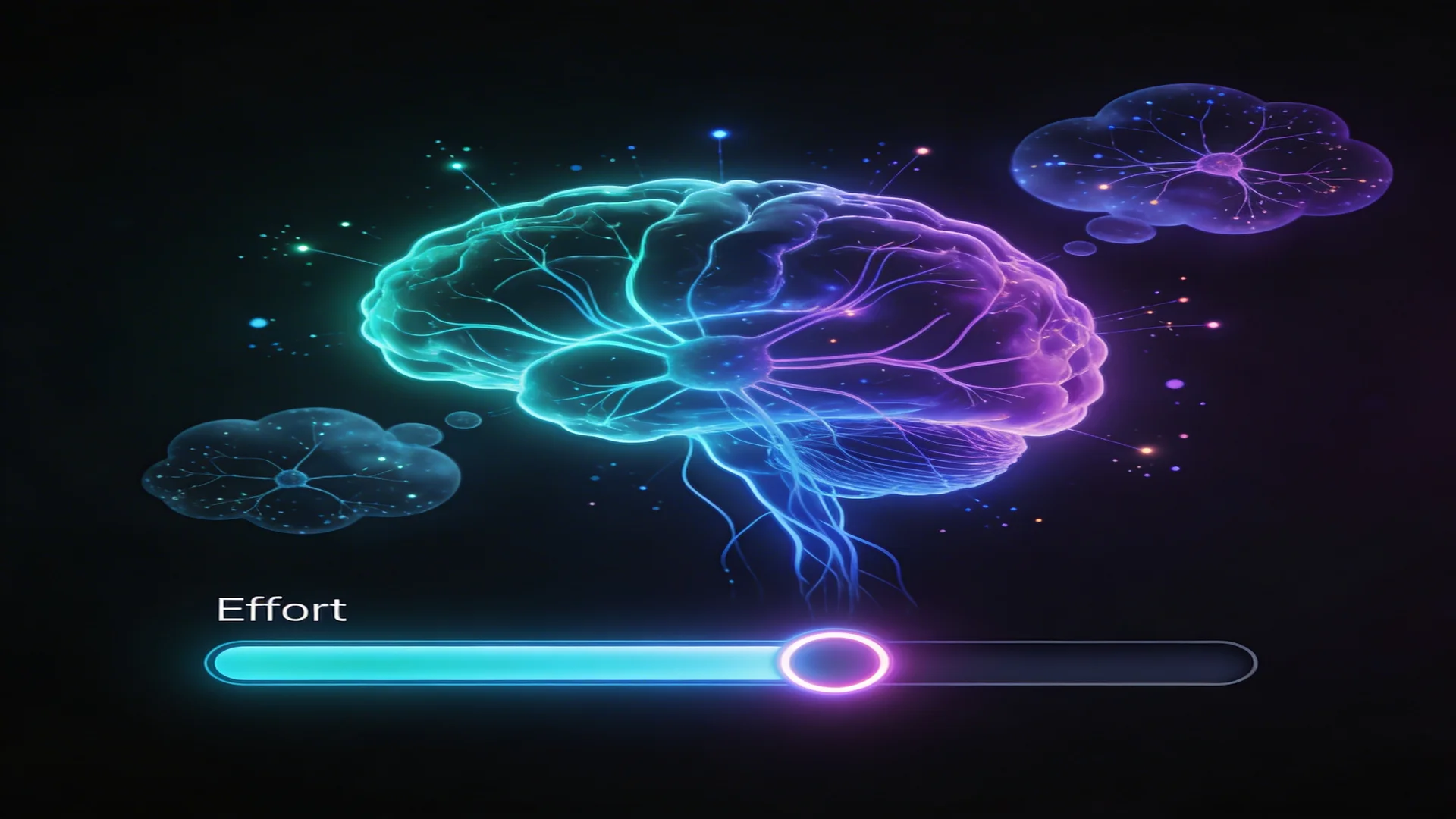
Claude 4.6 introduces adaptive thinking — the model dynamically decides when and how much to reason. Combined with the generally available effort parameter, this gives agent developers fine-grained control over the cost-latency-quality tradeoff.
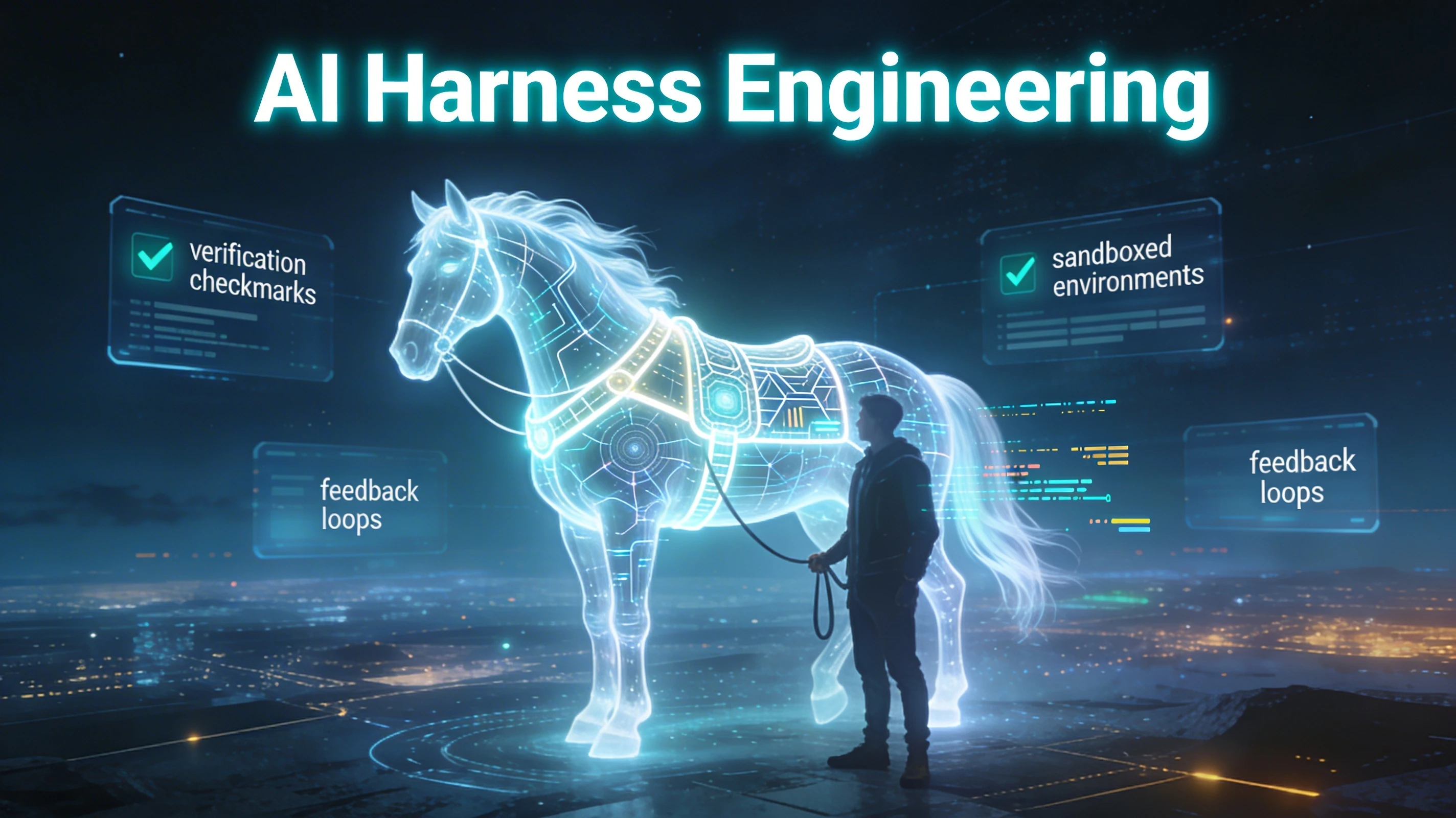
A comprehensive guide to AI Harness Engineering — the new discipline of designing environments, constraints, and feedback loops that make AI agents reliable at scale, with OpenAI building 1M+ lines of code using this approach.
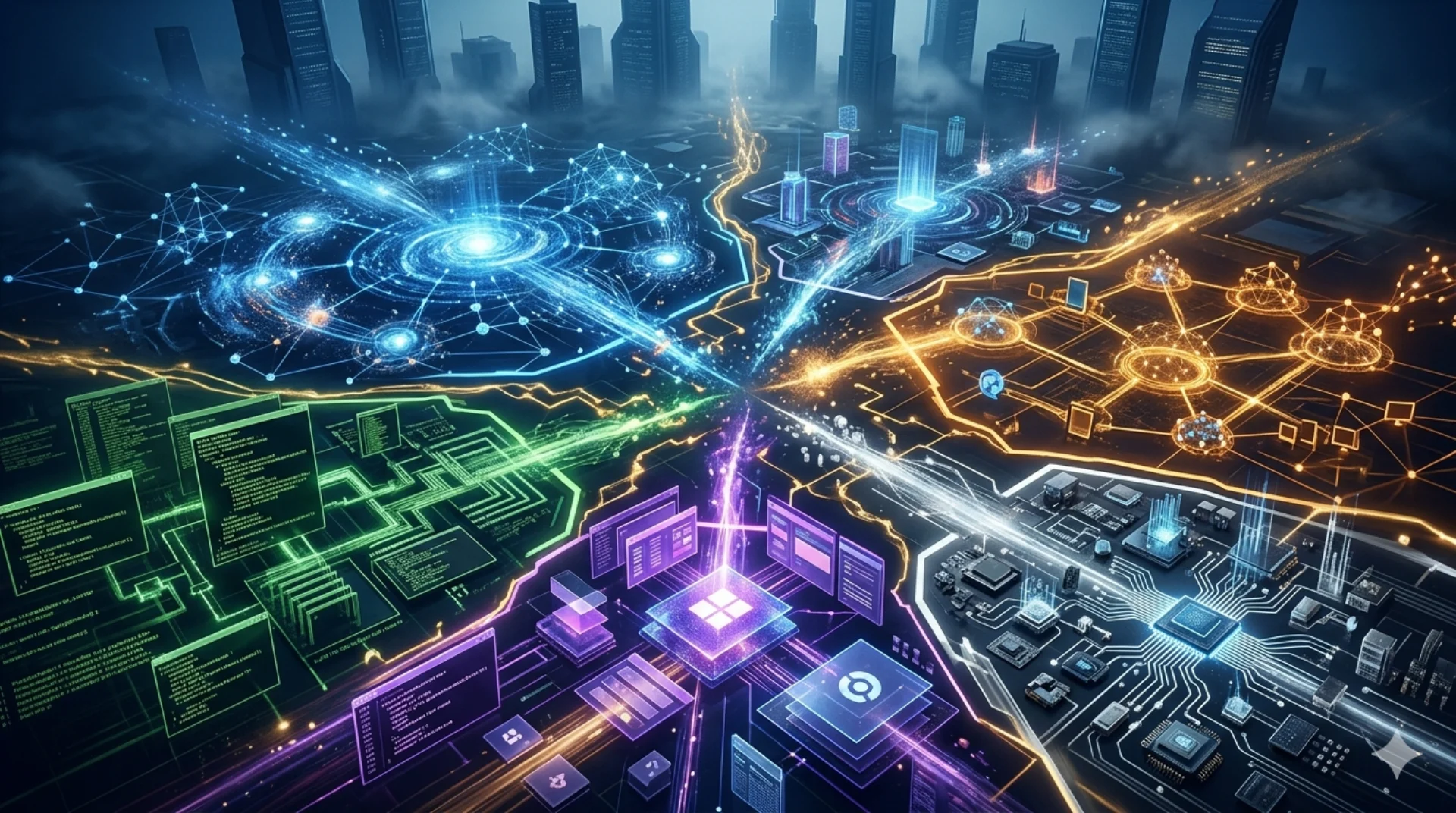
Over $6 billion flowed into autonomous agent companies in the past twelve months. From Meta's Manus acquisition to OpenClaw's 247K stars to Anthropic's Claude Code-to-Cowork pipeline, the agent market has fragmented into five distinct architectural approaches. A comprehensive market analysis.
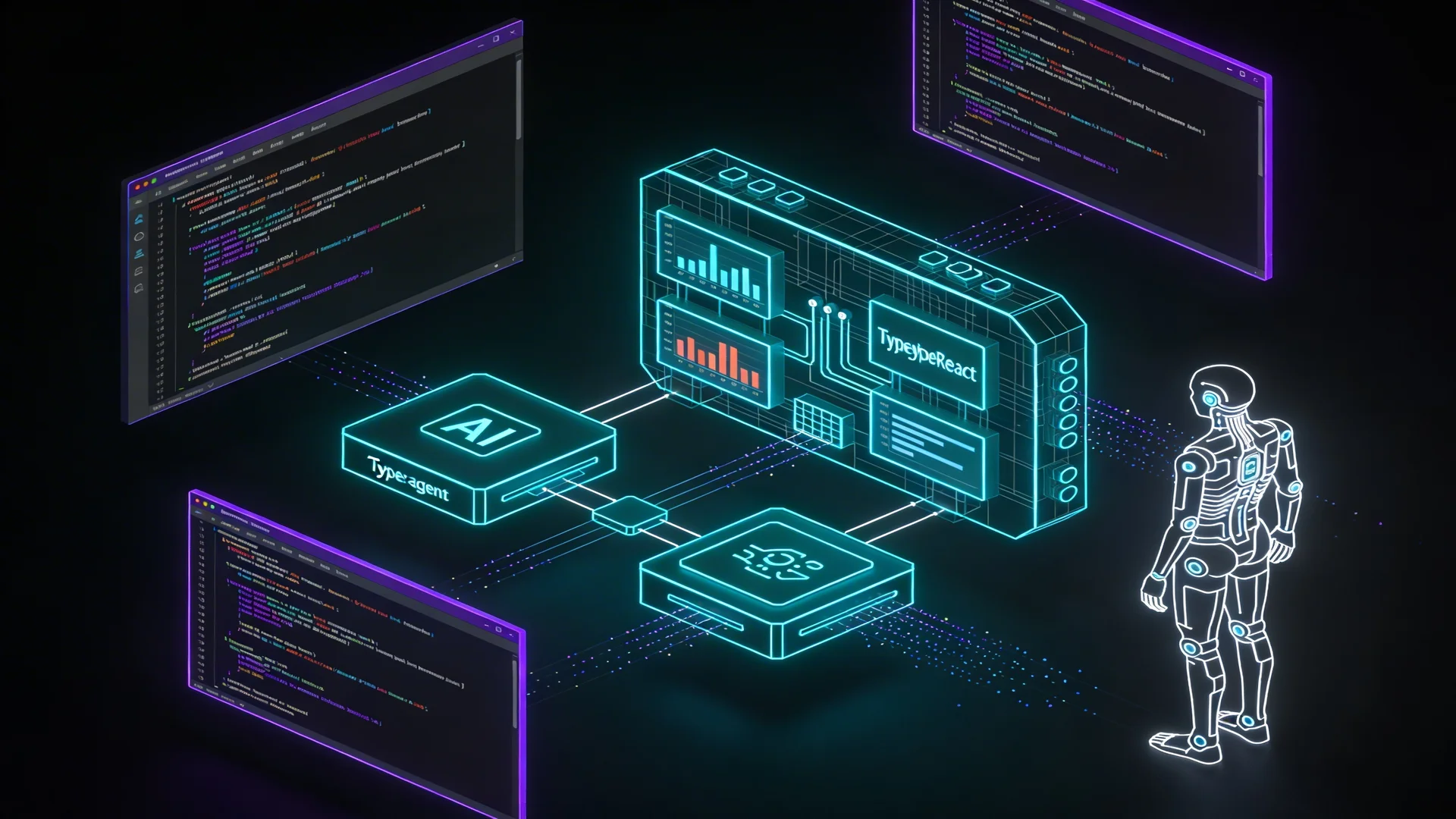
A practical guide to building agent-powered web applications using Next.js App Router, the Claude Agent SDK, and the AG-UI protocol — covering the architecture decisions, streaming patterns, and integration points that matter in production.
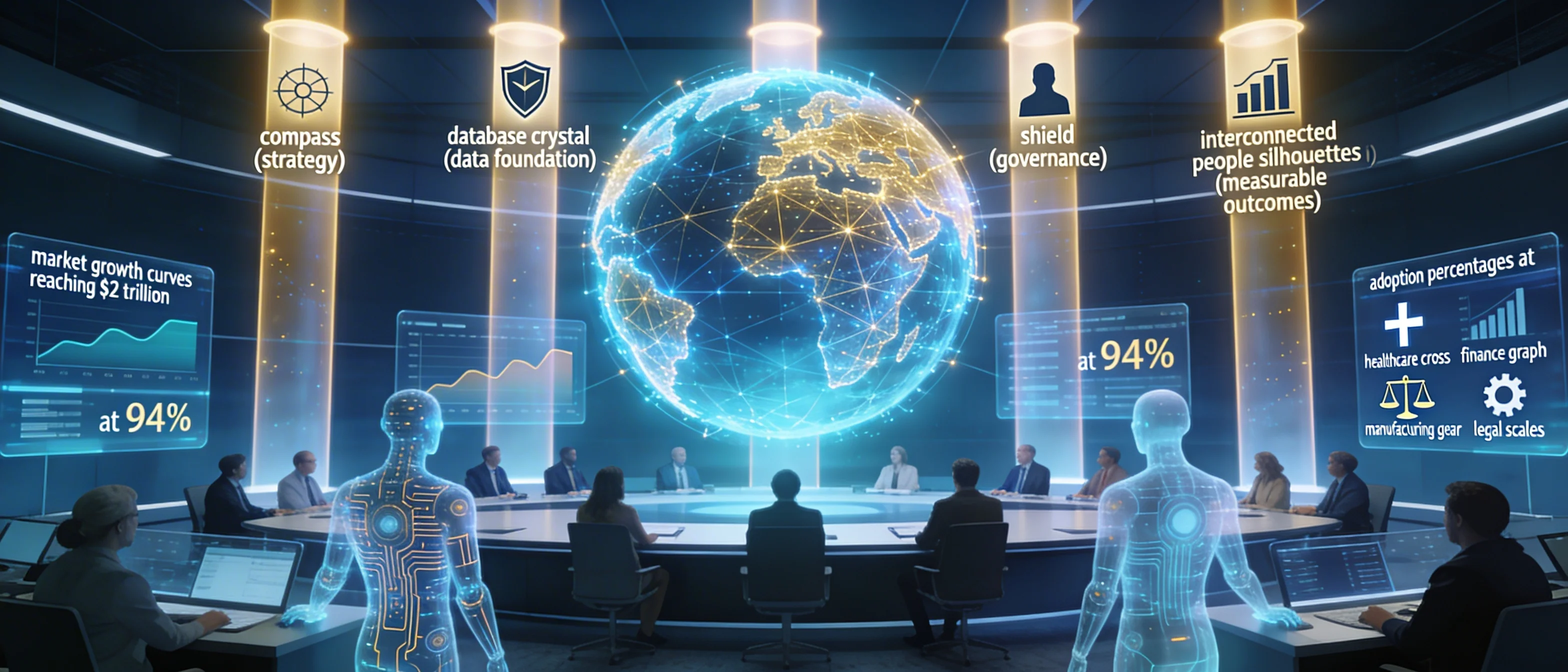
A data-driven deep dive into how organizations are harnessing AI for competitive advantage, with market statistics, industry use cases, adoption frameworks, and the challenges leaders must navigate.